Hyundai vs Kia: Key Differences Explained
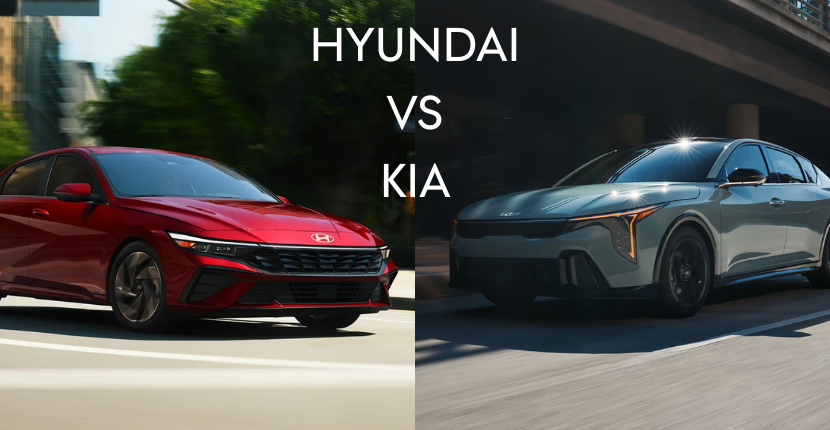
Hyundai vs Kia is a common comparison for car buyers deciding between two popular South Korean brands. While Hyundai and Kia share similar models, pricing, and reliability, there are key differences in design philosophy, brand positioning, and driving experience that can influence which brand is the better fit.
Brand Positioning
Hyundai is positioned as a refined, technology-focused mainstream brand, with an emphasis on comfort, usability, and long-term ownership value.
Kia leans toward sporty styling and value-oriented pricing, often appealing to buyers who prioritize bold design and affordability.
Key difference:
-
Hyundai: Comfort, technology, refinement
-
Kia: Style, sportiness, value
Design and Interior Feel
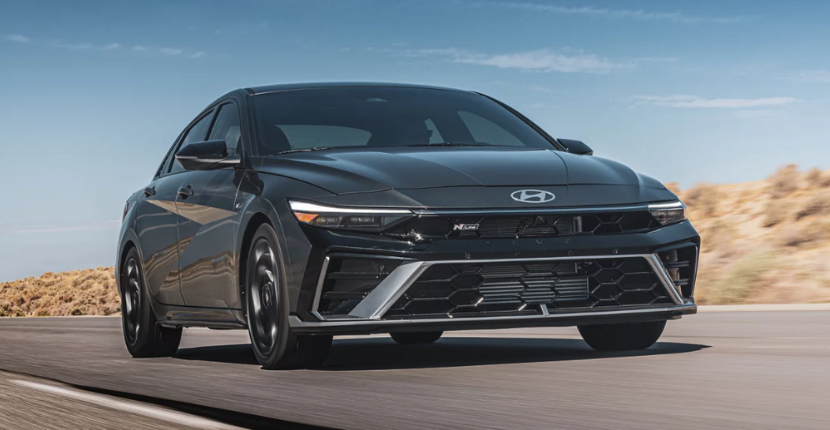
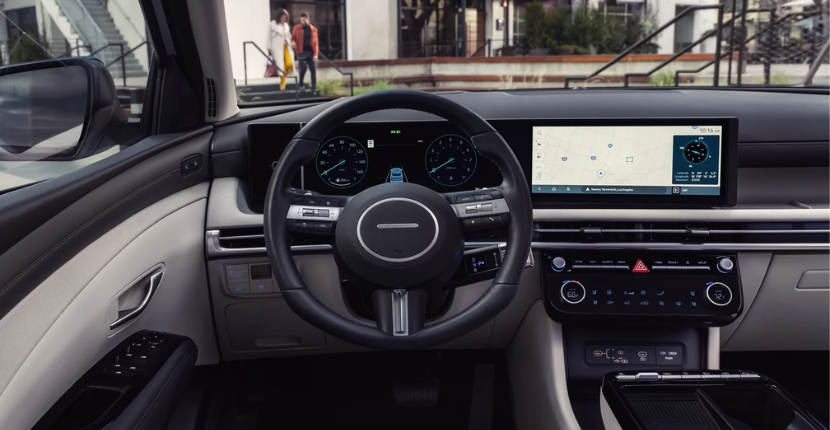
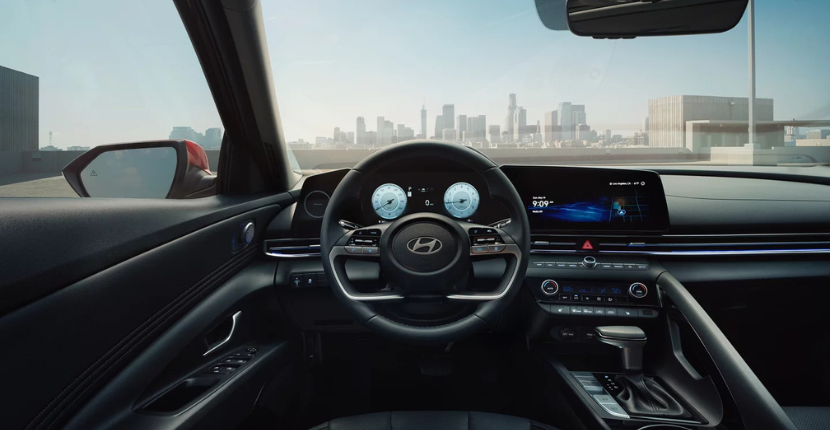
Hyundai vehicles typically feature clean, modern exterior styling and interiors focused on ergonomics and ease of use. The design approach is subtle, practical, and comfort-oriented.
Kia adopts a bolder and more expressive design language, both inside and out. This styling often feels more youthful and eye-catching.
Technology and Features
Hyundai places strong emphasis on advanced safety and infotainment features as standard, with systems designed for intuitive everyday use.
Kia also offers competitive technology, though feature availability may vary more by trim level and tends to focus on connectivity and visual appeal.
Model Lineups
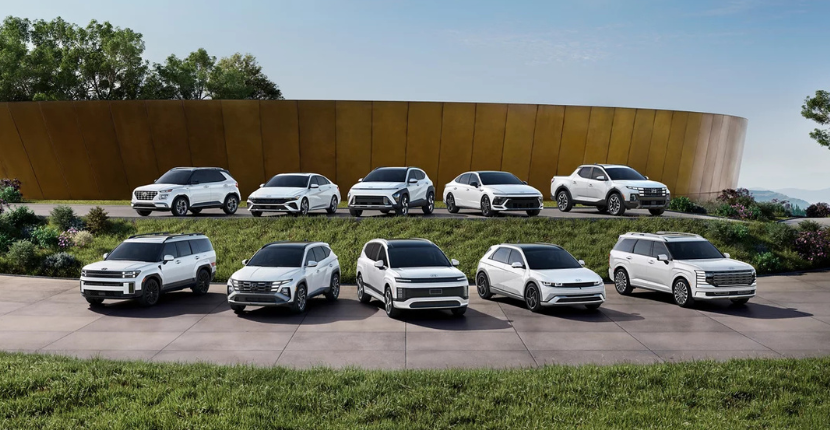
Both brands offer sedans, SUVs, and electric vehicles across similar segments.
Hyundai models include:
-
Elantra, Sonata
-
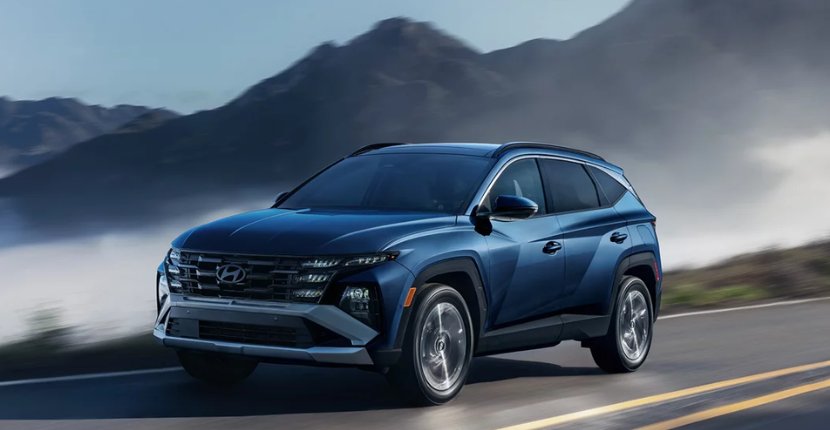
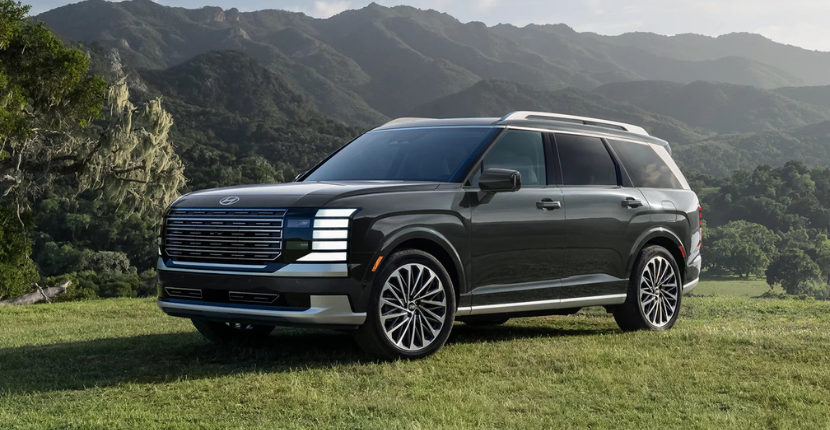
Tucson, Santa Fe
-
Ioniq, Kona Electric
Kia models include:
-
Forte, Optima (K5)
-
Sportage, Sorento
-
Niro EV, Soul EV
Hyundai models are often associated with ride comfort and efficiency, while Kia models tend to stand out for styling and entry-level pricing.
Performance and Safety
Hyundai generally focuses on balanced performance and fuel efficiency, making its vehicles well suited for daily driving and long-term ownership.
Kia sometimes offers sportier tuning, depending on the model, which may appeal to drivers looking for a more dynamic feel.
Both brands offer comprehensive safety features, including:
-
Forward collision warning
-
Lane-keeping assist
-
Adaptive cruise control
Are Hyundai and Kia From the Same Company?
Yes. Hyundai and Kia are part of the same parent company, the Hyundai Motor Group. Hyundai owns a controlling stake in Kia, allowing the two brands to share platforms, engines, and technology.
However, Hyundai and Kia operate as separate brands with different design teams and market strategies, which explains why their vehicles can feel different despite shared engineering.
Pricing and Ownership Value
Kia vehicles often start at slightly lower prices, making them attractive to budget-focused buyers. Hyundai models may cost marginally more but often include more standard features, which can balance overall value.
Both brands offer strong warranties and comparable long-term reliability.
Conclusion: Key Differences Between Hyundai and Kia
Although Hyundai and Kia share a parent company, the key differences lie in refinement, design approach, and feature integration.
-
Hyundai suits buyers seeking comfort, technology, and a refined driving experience
-
Kia suits buyers focused on styling and upfront affordability
Both brands offer strong value, but understanding these distinctions helps buyers choose the brand that best matches their priorities.